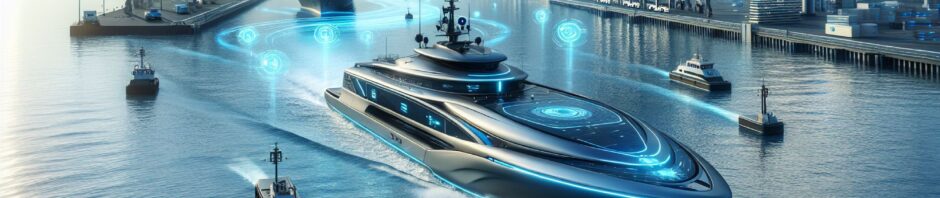
Howdy, fellow tech enthusiasts! So, have you ever had that fleeting thought while crossing a vast stretch of water, gazing at that endless horizon—”Wow, wouldn’t it be insanely cool if this boat was piloting itself?” If you haven’t pondered this peculiar scenario, you’re not alone. But somewhere amidst the silicon playgrounds of technology startups, clever innovators have indeed been considering this and making autonomous vessels steer their highly programmable ways into reality. Today, step aboard while I ferry you into the coming tide of maritime autonomy—no life vest needed—where technology meets the seven seas!
Skirting the Shore: The Beginning of Maritime Autonomy
I’m no sailor by trade, but trust me when I say: autonomous vessels are officially charging through the tech world. How did this happen? Well, it started with researchers at MIT testing out their little autonomous sailboats in controlled lab environments. From a small-scale automation experiment, this tech has grown into something much bigger. Industry players see programmable sailing playing a role in everything from logistics improvements to reducing cargo congestion at major shipping routes like the Suez Canal. Think drones on water, but a few leagues larger.
Just like roads are getting self-driving cars, docks and waterways at major seaports could follow a similar path. Pretty wild when you think about it.
Wind in Our Sails: The Technology Behind It
For decades, cargo transport by sea wasn’t exactly broken, but it had its problems. Human navigators deal with unpredictable weather forecasts and make steering mistakes that can sink entire operations. Maritime accidents happen more often than we’d like to admit.
Autonomous ships could change this. These vessels use AI autopilots with lidar and advanced sensors to navigate around obstacles and adjust to changing conditions automatically. No nail-biting required from human operators. Companies like Windward are already developing systems that can make split-second decisions about course corrections and weather adjustments.
Picture the sophistication of a high-end robot vacuum, but scaled up to handle ocean navigation. Digital command centers with LED displays show real-time data that helps these ships plot the most efficient routes. The math and algorithms behind it all are pretty impressive, even if I can’t claim to understand every technical detail.
High Seas: Challenges and Concerns We Need to Tackle
Of course, it’s not all smooth sailing ahead. Autonomous vessels face some serious hurdles before they become commonplace. Maritime law gets complicated when there’s no human captain making decisions. Who’s responsible if something goes wrong? Insurance companies are still figuring out how to handle coverage for unmanned ships.
Then there’s the technical side. Ocean conditions are unpredictable in ways that urban driving isn’t. Storms, waves, and equipment failures at sea can be life-threatening. The technology needs to be bulletproof before we trust it with million-dollar cargo shipments, let alone passenger transport.
Security is another big concern. Hackers targeting a self-driving car is one thing, but compromising an autonomous cargo ship could create international incidents. The cybersecurity requirements are going to be intense.