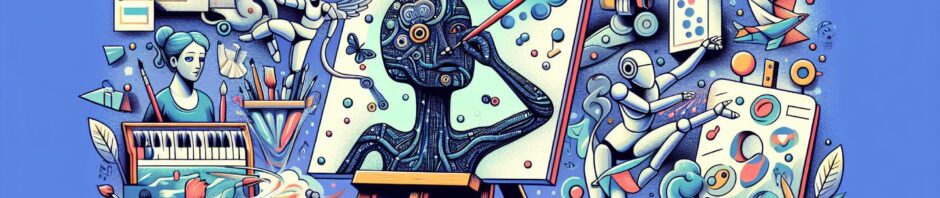
Hey tech aficionados! Strap in because today, we’re diving deep into a surprisingly delightful intersection of the digital and the creative—the world of Artificial Intelligence in the arts. If you’d told me a decade ago that bots with chips for hearts and code for brains would rival Picasso or Fitzgerald, I’d probably have cocked an eyebrow or two. But here we are, navigating an age where an algorithm can conjure visuals, textiles, music, and even prose that tug on human emotions. Let’s dive into how AI is transforming creative spaces right under our noses.
Unleashing Creativity Through Code
Code Meets Canvas
A growing class of AI art enthusiasts plays within this creative space, tapping into algorithmic artistry’s potential. It takes me back to an early project I found fascinatingly complex: call it RoboRembrandt, or maybe Circuit-Canvas Artist. Engineers wrapped code around artistic embodiment, teaching software to move through centuries-old artistic traditions. After a flurry of destined failures and moments dripping in metaphorical R&D sweat, voilà—RoboRembrandt’s work found its way to museum walls.
Major institutions house big players like DeepArt and Google’s own Creative AI, channeling generative magic onto mobile devices. We’re talking about guitars that weep code lines and sculptures that morph beyond what Michelangelo ever imagined. Maybe I’m getting carried away comparing today’s algorithms to the old masters, but honestly? It’s thrilling when machine vision captures artistry that human hands spent years perfecting.
When Algorithms Meet Shakespeare
Hold onto your hats! We’ve moved from visual arts into literary territory, and it gets weird fast. AI writing tools are now attempting poetry, short stories, even full novels. I’ve seen AI generate haikus that actually made me pause and think. Sure, they lack the lived experience that gives human writing its soul, but the technical craft? Sometimes it’s surprisingly solid.
The results range from genuinely impressive to hilariously nonsensical. I tested one AI poetry generator last month, and while it produced some beautiful imagery about autumn leaves and time passing, it also gave me three consecutive stanzas about “the profound sadness of refrigerators.” Not exactly Shakespearean, but weirdly memorable.
What strikes me most is how these tools make me think differently about creativity itself. Is it the struggle that makes art meaningful? The human experience behind it? Or can beauty exist purely in the pattern, regardless of its origin?